Top 4 Digital Marketing Trends You Can’t Ignore in 2026
Digital marketing moves fast, and most advice about it is written for companies with a marketing department. If you run a small business, you don’t need fifty tactics — you need to know which few changes actually matter this year, and what to do about them without hiring a team.
Here are the four trends we see making a real difference for small businesses in 2026, and a practical first step for each one.
1. AI-powered personalization is becoming standard
Big companies have used personalization for years: emails that use your name, product suggestions based on what you bought, follow-ups timed to your behavior. What changed is that this is now cheap enough for a five-person business.
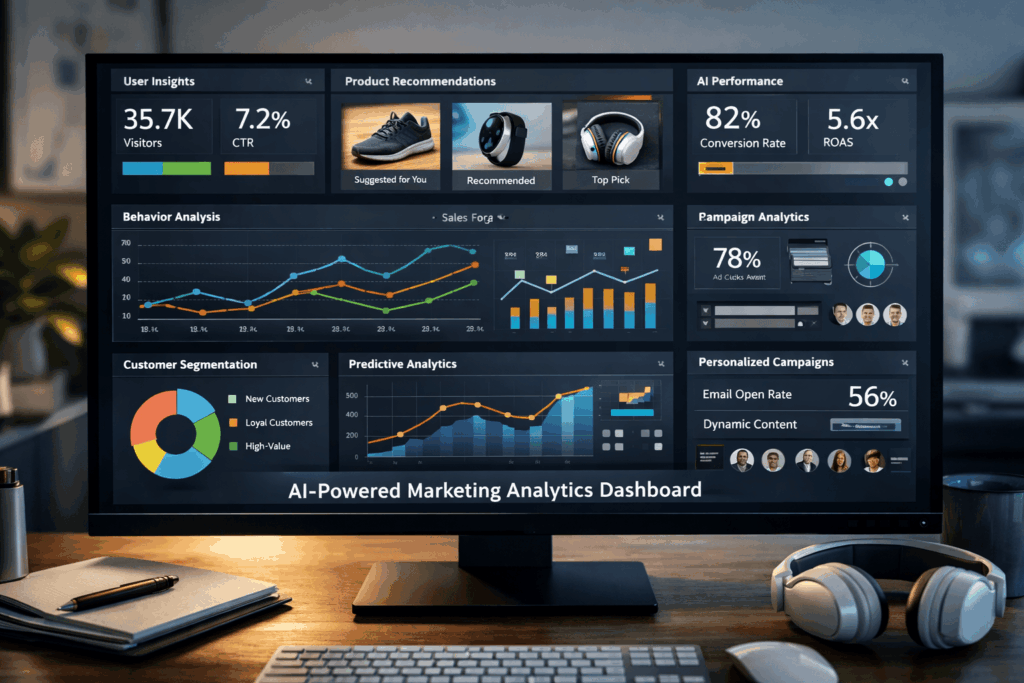
In practice, personalization for a small business looks like this: a new customer buys something, and they automatically get a thank-you message, a delivery update, and — two weeks later — a friendly check-in or review request. A returning customer gets different messages than a first-time one. None of it is written by hand.
Why it matters: people respond to messages that fit their situation and ignore ones that don’t. The businesses winning attention in 2026 aren’t sending more messages — they’re sending fewer, better-timed ones.
First step: pick one moment in your customer’s journey — after a purchase, after a booking, after a quote — and set up one automatic, personal follow-up for it. That single change is often where automation pays for itself first.
2. Short-form video dominates attention
Short vertical video keeps outperforming every other content format. TikTok, Instagram Reels, and YouTube Shorts all push video-first content to people who have never heard of you — which makes it one of the few remaining channels where a small business can reach new customers without paying for ads.
You don’t need production quality. A dentist explaining one common question in 40 seconds, a salon showing a before-and-after, a restaurant showing tonight’s special being made — filmed on a phone — consistently beats polished corporate video, because it feels real.
Why it matters: attention is the scarcest resource in marketing, and right now short video is where it lives. If your business isn’t producing any, you’re invisible on the platforms where your next customers spend their time.
First step: answer your single most-asked customer question on camera, in under a minute. Post it on one platform. Repeat weekly.
Not sure which of these applies to you?
Answer six questions and see what we would automate first in your business, and what it is worth.
3. SEO is now about answering questions — for people and for AI
The old game of stuffing keywords into pages is long dead. In 2026 there’s a second shift: a growing share of searches are answered directly by AI — Google’s AI Overviews, ChatGPT, Perplexity — which read the web and cite the sources they trust.

What gets cited — by search engines and AI alike — is the same thing: clear, complete answers to real questions, written by someone who obviously knows the subject. Pages with a real author, real experience, and specific detail beat generic content every time.
Why it matters: when a potential customer asks “how much does a website cost” or “best dentist near me who does X”, the answer they see increasingly comes from one or two cited sources. You want to be one of them.
First step: write down the ten questions customers actually ask you, and answer each one properly on your website — one clear page or section per question, in plain words.
4. Decisions backed by data beat decisions backed by gut feeling
Most small businesses still decide on marketing by feel: the ad “seems to work”, the newsletter “feels worth it”. Meanwhile, the tools that show you what actually works — website analytics, simple A/B tests, call and form tracking — are free or nearly free.
You don’t need a dashboard with forty charts. You need to know three numbers: where your enquiries come from, what an enquiry costs you, and how many turn into paying customers.
Why it matters: small budgets can’t afford waste. Knowing that one channel brings customers at half the cost of another is the difference between growing and treading water.
First step: for one month, record the source of every new enquiry — even in a spreadsheet. If keeping that record by hand sounds like a chore, that’s exactly the kind of task we set up to run automatically.
What is this costing you now?
Based on removing half of that time.
The thread running through all four
Notice the pattern: every one of these trends rewards businesses that respond fast, follow up consistently, and know their numbers — and punishes businesses that rely on someone remembering to do it by hand.
That’s why the highest-leverage marketing investment for most small businesses in 2026 isn’t another ad channel. It’s making sure the basics — replies, reminders, follow-ups, tracking — happen automatically, every time, without anyone thinking about it.
If you’d like to see what that would look like in your business, book a free 20-minute chat — you’ll leave with two or three ideas you can use, even if we never work together.
Want this running in your business next week?
Six questions, about a minute. You get a written plan on the spot, whether or not we ever speak.
- No call unless you ask for one
- EUR 399 a month, no setup fee, on a 6-month initial term
- Built and run for you, not handed over as homework